If you picture life at the Jacksonville Beaches as one long vacation, the reality is a little more grounded and a lot more useful. In Duval County, everyday life around the beaches is less about resorts and more about short bike rides, walkable town centers, public beach access, and routines that feel local even in a popular coastal area. If you are thinking about moving here, this guide will help you understand what daily life really looks like in Atlantic Beach, Neptune Beach, and Jacksonville Beach. Let’s dive in.
Jacksonville Beaches at a Glance
When people talk about the Jacksonville Beaches in Duval County, they are usually talking about Atlantic Beach, Neptune Beach, and Jacksonville Beach. These are three separate beach cities, each with its own rules, housing mix, and pace, but they share a connected coastal lifestyle.
Official planning materials describe these communities as low- to medium-density areas centered along A1A and their downtown districts. They are also some of the more walkable and bike-friendly places in the county, which helps shape how day-to-day life feels for residents. Neptune Beach describes itself as a laid-back coastal community, while the wider coastal area can draw millions of visitors each year, according to the City of Neptune Beach and local tourism sources.
What Daily Life Feels Like
Walkable pockets shape routines
A big part of daily life here revolves around compact, local destinations instead of long cross-town trips. One of the clearest examples is Beaches Town Center, where Atlantic Beach and Neptune Beach meet near the ocean.
This area is known for its pedestrian-friendly layout, with shops, restaurants, fitness studios, outdoor seating, and nearby lodging all clustered together. That setup makes it easier to handle a coffee run, dinner plans, or a quick errand without feeling like every outing has to be a major drive.
Biking is part of the culture
The beach cities do not just talk about being bike-friendly. They have real infrastructure to support it. Atlantic Beach maintains mapped walking routes and highlights major pedestrian corridors, while Jacksonville Beach is building out its Urban Trails Project to connect neighborhoods with shared-use paths leading to the beach, parks, shops, and other destinations.
Neptune Beach also notes that its hard-packed sand works well for cycling. In practical terms, that means biking can be part of your normal routine here, especially if you live near the core beach corridors.
Relaxed does not mean isolated
The overall feel is coastal and easygoing, but not cut off from daily conveniences. Because commercial activity is concentrated in town centers and along A1A, you can often cover social plans and small errands close to home.
That said, most residents still rely on a car for some inland errands, work trips, and appointments. The lifestyle is best described as locally convenient, not fully car-free.
Beach Access Is a Real Daily Perk
Public access is built in
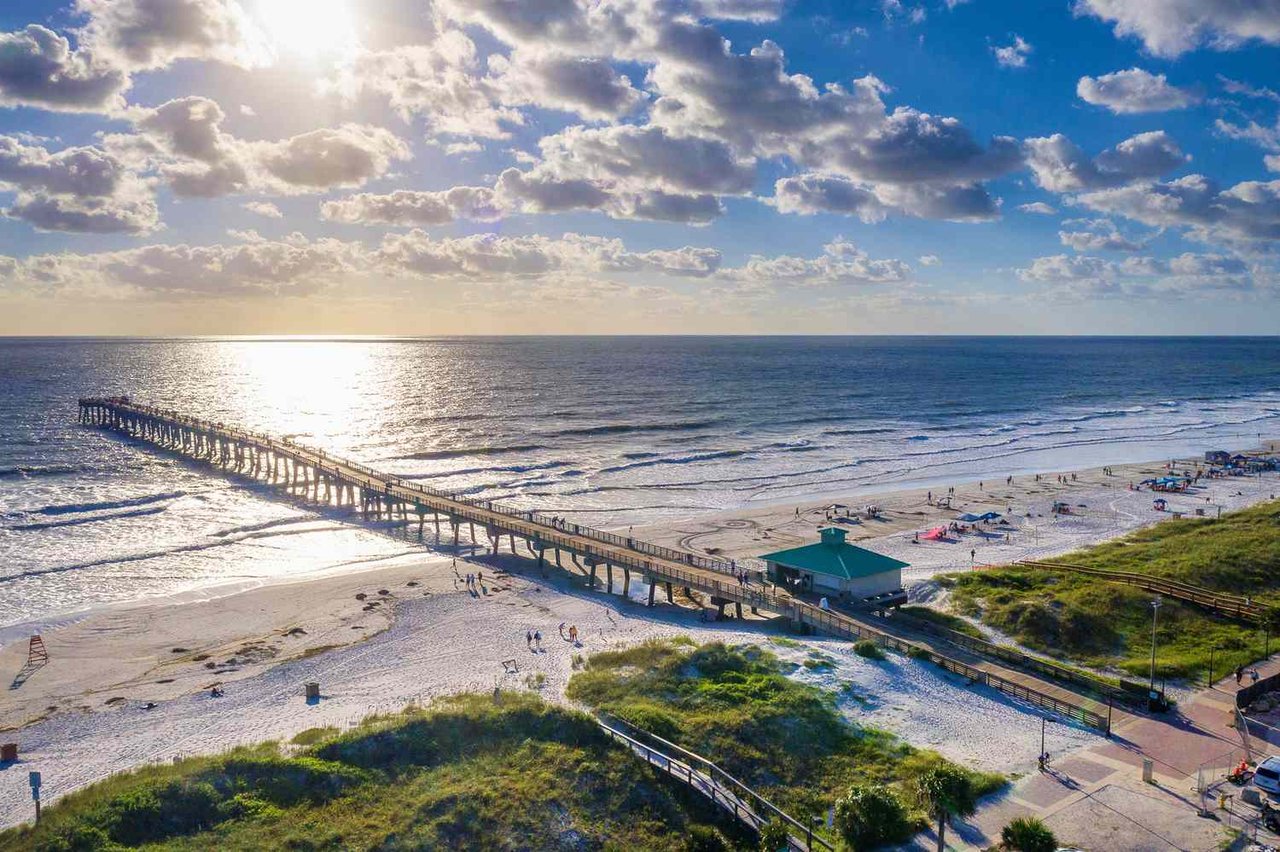
One of the strongest lifestyle advantages here is how accessible the beach is. Atlantic Beach reports more than two miles of sandy shoreline and 21 public beach access points. Jacksonville Beach maintains a public map of beach access points and bathrooms, and several locations include wheelchair-accessible ramps.
Jacksonville Beach’s Oceanfront Park also adds dune walkovers, walking paths, and accessible features next to the beach. Across the three cities, public access is a real part of daily living, not just a tourist amenity.
Rules vary by city
If you plan to spend a lot of time on the sand, it helps to know that each city manages beach use a little differently. The Jacksonville Beach beach rules emphasize using designated access points, staying off dunes, and following posted water conditions.
Atlantic Beach also uses a warning flag system for surf and rip currents. Dog rules vary more than many people expect, so it is smart to check city-specific regulations before assuming the same routine applies across all three beach cities.
Community Events Keep It Local
Small-scale events are part of the rhythm
Even with strong tourism activity in the area, the social calendar often feels neighborhood-sized. Atlantic Beach hosts an Atlantic Beach Farmers Market focused on local food, artists, farmers, and small businesses.
Visit Jacksonville also notes that the North Beaches Art Walk takes place on the third Thursday of each month in Beaches Town Center. Jacksonville Beach recently launched a weekly Tuesday farmers market at Seawalk Pavilion with dozens of vendors, food trucks, and local makers.
Everyday life has built-in activity
For residents, these recurring events add easy options for getting out without much planning. You do not have to wait for a major festival to feel connected to the area.
That can be especially helpful if you are relocating and trying to learn the rhythm of the community. Regular markets and art events create natural ways to explore the area and build familiarity over time.
Housing Costs Are Higher Than Duval Overall
The beach premium is real
If you are comparing the beach cities with the rest of Duval County, housing cost is one of the biggest differences. According to the U.S. Census QuickFacts, median owner-occupied home values are $575,800 in Jacksonville Beach, $630,200 in Atlantic Beach, and $670,900 in Neptune Beach. Duval County overall is $303,500.
Rents also run higher in the beach cities than the county average. Those numbers reflect the value many buyers place on coastal access, compact town centers, and the ability to enjoy a more local daily routine.
Higher incomes do not erase the cost gap
Household incomes in the beach cities are also above the Duval County average. Even so, the price difference remains meaningful for many buyers.
If you are planning a move here, it is important to look beyond the purchase price or rent alone. Coastal living can also mean higher insurance costs, maintenance considerations, and property-specific factors that affect monthly ownership costs.
What Types of Homes You’ll Find
Expect a mix, not one style
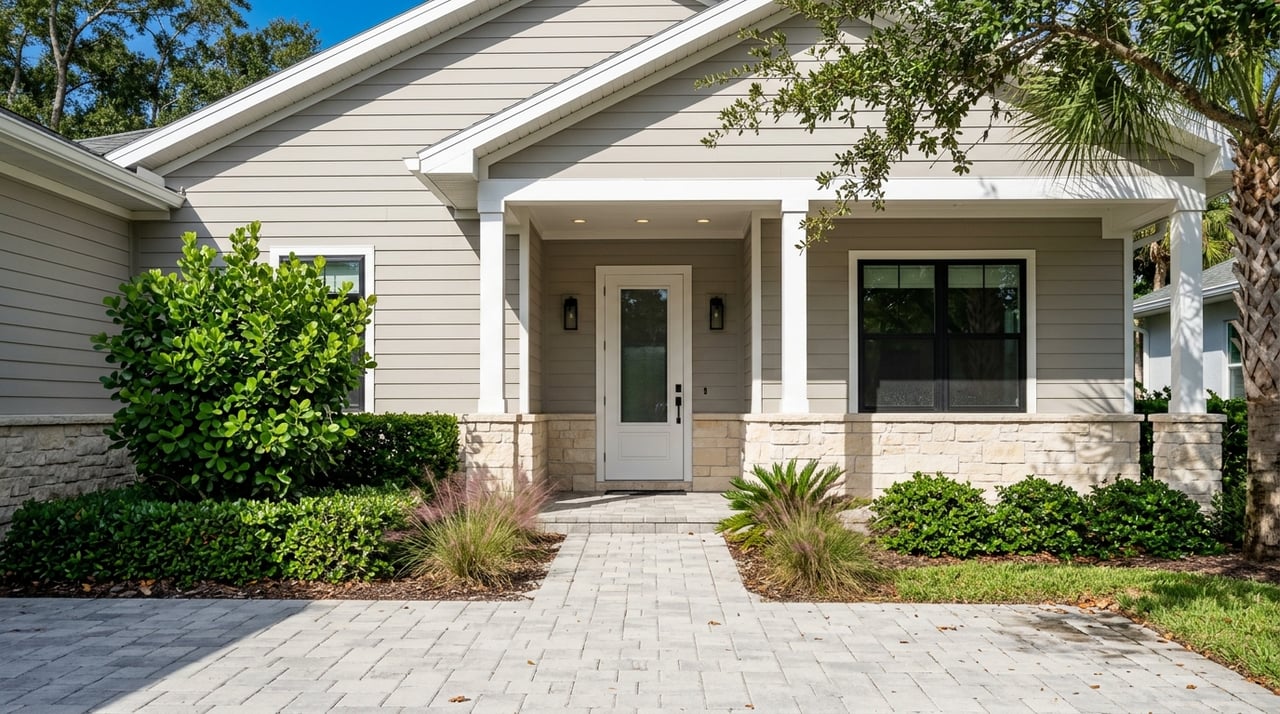
The Jacksonville Beaches are not one uniform housing market. Planning documents point to a mix of detached homes, attached homes, townhomes, duplexes, condos, and other multifamily options depending on the block and city.
Neptune Beach planning materials note that housing west of Third Street is largely single-family, while areas east of Third Street include more two-family housing. Jacksonville Beach and Atlantic Beach also reflect a varied housing stock rather than one single architectural pattern.
Block-by-block differences matter
This is one reason local guidance can help if you are relocating or trying to narrow your search. Two homes with similar square footage may offer very different lifestyles depending on parking, proximity to beach access, or how close they are to a walkable corridor.
If you are searching in the beaches, it often makes sense to evaluate how you want to live each day, not just the house itself.
Coastal Practicalities to Plan For
Wind and flood rules matter
Living near the coast comes with practical building considerations. Neptune Beach notes that flooding can result from coastal storms as well as heavy rainfall and runoff, and the city participates in FEMA’s Community Rating System through its floodplain management program.
Its permit guidance also states that new work must meet 130 mph wind-code requirements. Atlantic Beach likewise emphasizes current Florida Building Code standards and permit review, which is important for buyers considering updates or improvements.
Parking affects daily convenience
Parking is another everyday factor that surprises some newcomers. The North Beaches Parking program covers parts of Atlantic Beach and Neptune Beach around Beaches Town Center, where paid parking generally operates from late morning through midnight.
Atlantic Beach also uses seasonal pay-to-park at some beach access areas. The upside is that parking management helps support popular walkable districts, but it is still something you will want to understand if you plan to live near the busiest coastal zones.
Commutes and Getting Around
Commute times are manageable
The beach cities are not dramatically out of line with the rest of Duval County when it comes to commute times. Census QuickFacts reports mean travel times to work of 22.1 minutes in Neptune Beach, 23.7 minutes in Jacksonville Beach, and 26.2 minutes in Atlantic Beach.
Duval County overall is 24.1 minutes. That means beach living does not automatically equal an extreme commute, though your actual routine will depend on where you work and how often you need to travel inland.
Best for short local trips
In everyday terms, the area works especially well for short local outings. Walking and biking are most practical near beach corridors, town centers, and connected paths.
Once you move farther from those hubs, a car is still part of life for most households. That balance is one of the clearest trade-offs of living at the beaches.
Is Beach Living in Duval Right for You?
For many buyers, the Jacksonville Beaches offer a hard-to-replicate mix of public shoreline access, local events, walkable commercial pockets, and a more relaxed coastal routine. The trade-offs are just as real: higher housing costs, parking rules in key areas, and coastal insurance and building considerations.
If you are weighing a move to Atlantic Beach, Neptune Beach, or Jacksonville Beach, the best next step is to compare not just prices, but also how each area supports your day-to-day routine. If you want help sorting through the differences, Helen Kizer offers personalized guidance for buyers, sellers, and relocation clients across the greater Jacksonville Beaches area.
FAQs
What is everyday life like at the Jacksonville Beaches in Duval County?
- Everyday life around the Jacksonville Beaches usually means short local trips, public beach access, walkable town centers, biking opportunities, and a relaxed coastal routine that still includes some driving for inland errands.
Are Atlantic Beach, Neptune Beach, and Jacksonville Beach walkable?
- Parts of all three cities are walkable, especially near Beaches Town Center, downtown areas, and beach corridors, but most households still use a car for at least some errands and commuting.
Is public beach access easy to find in the Jacksonville Beaches area?
- Yes, public access is a major feature of the area, with designated access points, walkovers, ramps, and supporting amenities, though rules and access details vary by city.
Are homes at the Jacksonville Beaches more expensive than the rest of Duval County?
- Yes, Census data shows home values and rents in Atlantic Beach, Neptune Beach, and Jacksonville Beach are all higher than Duval County overall.
What types of homes are common around the Jacksonville Beaches?
- You will find a mix of single-family homes, attached homes, condos, townhomes, duplexes, and other multifamily options, with housing character often changing from block to block.
What should buyers know about living near the beach in Duval County?
- Buyers should plan for higher housing costs, parking logistics in busy areas, and coastal factors such as floodplain awareness, insurance considerations, and wind-code requirements for improvements.