Buying your first home in Duval County can feel big and exciting. You want a clear path, straight answers on costs, and local insight you can trust. In this guide, you will learn what starter homes cost today, how much cash to bring to closing, which loans fit first-time buyers, what to watch in online listings, and where to find real assistance programs. Let’s dive in.
What homes cost in Duval now
Recent snapshots show Duval County as one of Florida’s more affordable large metros. As of Jan 2026, the county’s median sale price hovered near the mid-to-high $200s, and market speed has cooled, giving buyers a bit more negotiating room. You can check the latest numbers on the live county market page for updates on prices, days on market, and inventory trends. See current data on the Duval County housing market for a real-time view: Duval County housing market.
Starter-home price bands
- Entry or value range: under about $200k to $250k. You will often find smaller or older homes, condos, or properties needing updates. Some areas farther from beaches or river corridors can fall here.
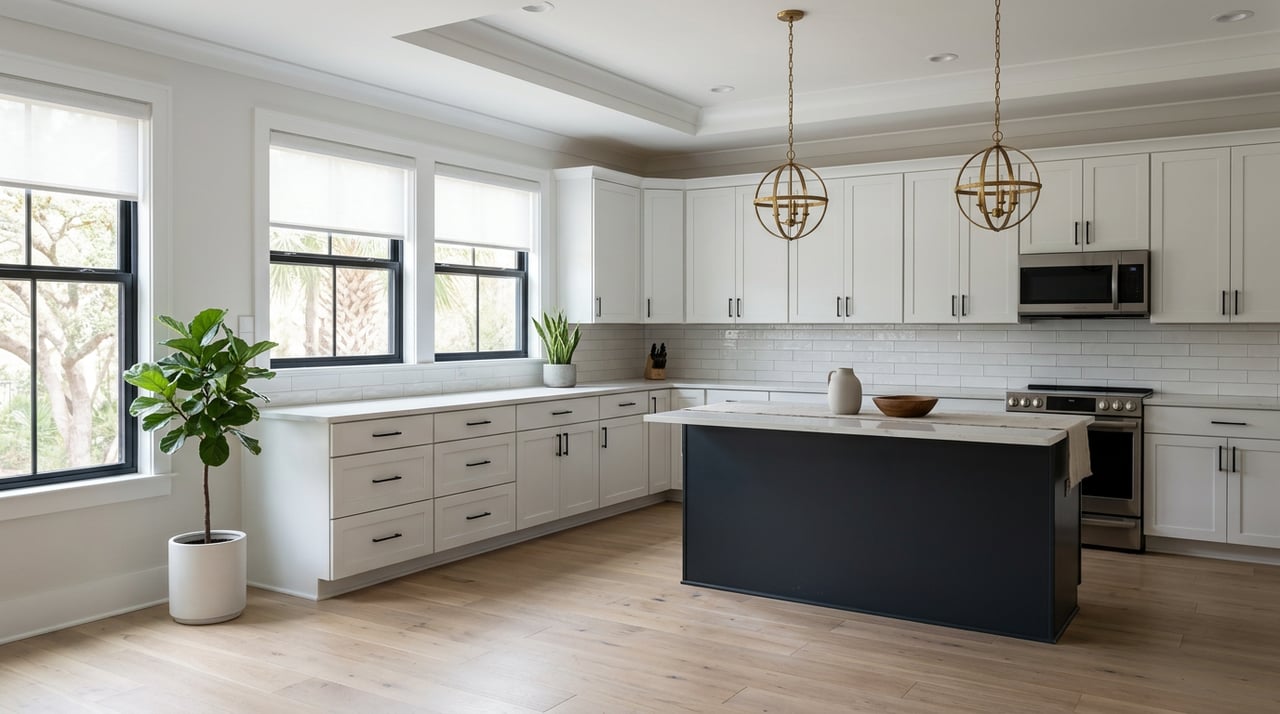
- Typical starter range: about $250k to $350k. This is the broadest set of options for many first-time buyers, including modest single-family homes, newer townhomes, and move-in ready condos.
- Upper starter or stretch: about $350k to $500k. You may see updated bungalows, river-adjacent options, or newer subdivisions. Popular historic districts and some beach neighborhoods often sit at the high end of this range and above.
Prices shift month to month. When you look at a specific neighborhood, make sure to check live data and note the date for any median you use.
Common home types to expect
- Single-family detached. Most first-time buyers target these for space and privacy.
- Townhomes and condos. Lower maintenance and often a lower price point, but budget for HOA dues and possible assessments.
- Small multi-unit buildings. Two to four units can work for house hacking if you plan to live in one unit.
- Manufactured homes. These can be cost-effective but follow different financing, zoning, and inspection rules.
What cash to bring to closing
Your total cash to close is your down payment plus closing costs and any prepaid items. While your down payment varies by loan type, typical closing costs run about 2 to 5 percent of the purchase price. That range covers lender fees, appraisal, title services and title insurance, recording, survey, prepaid taxes and insurance, and HOA transfer fees where applicable. For a useful overview of what is included, review this guide to closing costs: what closing costs include.
Here are quick examples to help you plan. Actual numbers will come from your lender’s Loan Estimate.
- $250,000 purchase: at 3 percent closing cost, about $7,500; at 4 percent, about $10,000.
- $350,000 purchase: at 3 percent, about $10,500; at 4 percent, about $14,000.
- $450,000 purchase: at 3 percent, about $13,500; at 4 percent, about $18,000.
Ask your lender which fees are negotiable, which items a seller can pay, and whether any costs can be rolled into the loan.
Florida doc stamps explained
Florida charges documentary stamp tax on deeds and on mortgages. The state rate on deeds in Duval County is $0.70 per $100 of the sale price. For example, a $250,000 sale would owe $250,000 × 0.007 = $1,750 in deed stamps. Mortgages are taxed at $0.35 per $100 of the mortgage amount. Who pays these at closing can be negotiated by the parties, but the taxes are set by state law. For details, visit the Florida Department of Revenue page on documentary stamps: Florida doc stamp tax. Your title company will calculate exact amounts on your settlement statement.
Monthly costs beyond your mortgage
- Property taxes. Duval’s effective tax rate is close to the Florida average, but actual bills vary by neighborhood, assessed value, and exemptions. The homestead exemption is a major savings for primary residences. Use the Duval County Property Appraiser tools to look up a property, estimate taxes, and review exemption deadlines: Duval Property Appraiser and Tax tools.
- Homeowners insurance. Florida premiums are higher than the national average and depend on the home’s age, roof, wind protections, and location. Get quotes early in your inspection period.
- Flood insurance. Many parts of Duval face coastal or riverine flood risk. Lenders require flood insurance when a property sits in a high-risk zone. FEMA’s Risk Rating 2.0 prices risk by property features, so two homes on the same street can have different premiums. Learn how flood risk is rated here: FEMA flood risk and rating. If a listing is in or near a high-risk zone, ask for an elevation certificate and get a quote early.
Finance basics for first-time buyers
- Conventional loans. Some programs allow as little as 3 percent down for eligible first-time or moderate-income buyers. Private mortgage insurance applies with less than 20 percent down but can be cancelled when you reach 20 percent equity.
- FHA loans. Minimum down payment is typically 3.5 percent with qualifying credit. FHA loans include an upfront mortgage insurance premium, usually financed into the loan, plus an annual premium. In many cases, the annual premium lasts for the life of the loan unless you refinance into a conventional mortgage later.
- VA loans. Eligible service members and veterans can often buy with no down payment and no monthly mortgage insurance. A one-time funding fee may apply and can be financed.
- USDA loans. In certain eligible areas outside the urban core, USDA loans can offer 100 percent financing for qualifying incomes. Check property eligibility and income limits with a participating lender.
Pro tip: Get preapproved with at least two lenders and compare Loan Estimates line by line. Rates and fees vary by lender and your credit profile. Use your Loan Estimate to confirm cash to close and your monthly payment structure.
Read online listings like a pro
- Price history and comps. Look for recent reductions and compare with nearby sales. A longer days-on-market can sometimes signal more room to negotiate. County market pages often show DOM trends for context. See Duval’s live market feed here: Duval County housing market.
- Square footage definitions. In Northeast Florida, “living area” usually means finished, air-conditioned space. Garages, porches, and some sunrooms may appear in total area but not living area. Cross-check the tax record and appraisal.
- HOA or condo dues. Always verify current monthly dues and ask for any pending or recent special assessments. These can affect both affordability and loan approval.
- “As-is” listings. As-is means the seller is not offering repairs, not that you skip inspections. Keep inspection and financing contingencies where possible, and negotiate credits if issues arise.
Red flags to slow down on: major roof or foundation notes in the disclosure, an unusually low price versus nearby sales, unclear property boundaries, or frequent large price cuts. Order a thorough inspection and make sure your title company reviews surveys and easements.
Neighborhood checklist for Duval buyers
- Commute patterns. Study your daily route on I-95, I-10, and major east-west corridors like Atlantic or Beach Boulevard. Try drive times during your real commute window.
- Schools. Duval County Public Schools is the local district. Confirm school attendance zones and explore magnet or charter options directly with the district. Program offerings vary by campus and may change over time.
- Flood and storm risk. River and coastal areas require extra diligence. Check the flood zone, elevation, drainage patterns, and hurricane protections on the home.
- HOA and covenants. Review rules on pets, exterior changes, rentals, and parking. Ask for the most recent budget and reserve study where available.
- Age and condition. Historic charm can come with higher maintenance. Newer subdivisions may include builder warranties but often have higher HOA dues.
Local assistance programs to explore
Local and state programs can help with down payment or closing costs, and some offer reduced mortgage rates through participating lenders. Funding and eligibility limits update often, and funds can run out. Contact each agency or a participating lender for current availability and terms.
- City of Jacksonville Housing & Community Development. The HeadStart to Homeownership (H2H) program and other resources may assist with down payment and closing costs for eligible buyers: City of Jacksonville housing services.
- Jacksonville Housing Finance Authority (JHFA). Look for programs such as Home Sweet Home or a Mortgage Credit Certificate through approved lenders: Jacksonville Housing Finance Authority.
- Florida Housing Finance Corporation. Statewide first-mortgage options can pair with down payment assistance like Florida Assist and Hometown Heroes, subject to income and purchase price limits: Florida Housing homebuyer programs.
Step-by-step plan to buy in Duval
- Check your credit and clean up small issues. Gather two to three months of bank statements and pay stubs.
- Take a HUD-approved homebuyer education class if you plan to use assistance.
- Get preapproved with at least two lenders that offer Florida and City of Jacksonville programs.
- Choose target neighborhoods and a price band. Confirm commute, flood zone, HOA rules, and school assignment.
- Budget for down payment, 2 to 5 percent closing costs, and an emergency repair fund.
- Make an offer with smart contingencies. Order your inspection, begin title work, and get insurance and flood quotes early.
- Coordinate with your lender and title company to clear conditions and review your Closing Disclosure before signing.
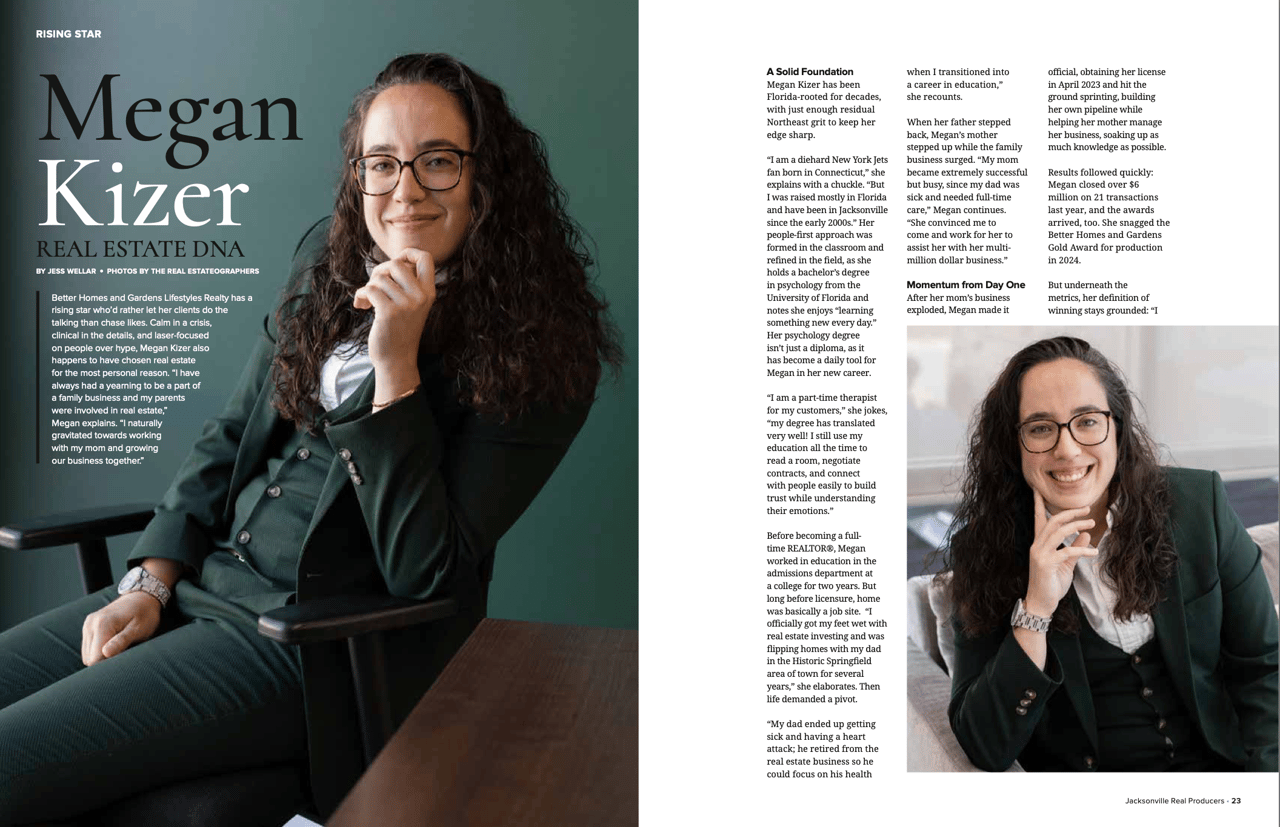
Ready to start touring homes and building a plan that fits your timeline and budget? Schedule a free local market or relocation consultation with Helen Kizer. You will get neighborhood insight, a custom search, and step-by-step support from first tour to closing.
FAQs
What is a realistic first-time buyer budget in Duval County?
- Many first-time buyers target the $250k to $350k range for a wide selection of single-family homes, townhomes, and condos, while value options can be found under about $250k depending on location and condition.
How much should I save for closing costs in Florida?
- Plan for about 2 to 5 percent of the purchase price for closing costs, on top of your down payment, with higher totals possible depending on loan type and insurance needs.
How do Florida doc stamps affect my bottom line?
- Florida charges $0.70 per $100 on the deed and $0.35 per $100 on the mortgage amount; for a $250,000 sale, deed stamps alone are about $1,750, plus mortgage stamps based on the loan amount.
Do I need flood insurance to buy in Jacksonville?
- If the property is in a high-risk zone, your lender will require flood insurance; premiums depend on property-specific risk factors under FEMA’s Risk Rating 2.0.
Which loan is best for a low down payment in Duval County?
- Conventional 3 percent down, FHA 3.5 percent down, VA no down for eligible service members, and USDA 100 percent financing in eligible areas are the main options; compare offers with at least two lenders to see total costs.
Where can I find down payment help in Jacksonville?
- Start with the City of Jacksonville H2H program, the Jacksonville Housing Finance Authority, and Florida Housing’s statewide programs; funding and eligibility change often, so confirm current terms with participating lenders or each agency.