Have a firm move date on the calendar and no time for guesswork? If you are relocating to or from Duval County, you need a clear plan, secure tools, and a local partner you can trust to handle details while you travel. You want fewer surprises, tight timelines, and a process that works from your phone or laptop. In this guide, you will see exactly how a relocation with Kizer Homes comes together, what to expect at each step, and which local rules and deadlines matter most. Let’s dive in.
Who this is for
You are a Ready Mover with a confirmed transfer date. You may be active‑duty military, a corporate transferee, or a household coordinating a cross‑state sale and purchase. You want a single point of contact, virtual options, and local vendor support so you can keep life moving.
You might be buying in Jacksonville or the Beaches, selling a home from out of state, or doing both on a tight clock. Either way, you want a smooth, remote‑friendly experience from search through closing.
Step‑by‑step: How your move works
1) Intake and move planning
We start with a focused consultation to map your timeline, budget, and must‑haves. You get a neighborhood short list and a plan that fits school, commute, and lifestyle needs. We also line up trusted local providers for lending, insurance, movers, repairs, and cleaning to reduce your research time.
We confirm your preferred communication channel and set a simple cadence: a weekly written update plus immediate alerts for time‑sensitive items. You get one lead point person who coordinates every moving part so nothing falls through the cracks.
Important local timing: if you plan to claim a Florida homestead exemption on a new primary residence, you must occupy the home by January 1 and file by March 1 with the Duval County Property Appraiser. See the county’s guidance on the March 1 filing deadline for first‑time applicants.
2) Remote search and marketing
Buyers tour homes through live video walk‑throughs and recorded tours, then we target an in‑person trip only when it counts. For sellers, we package your home for remote prospects with strong visuals, dedicated listing pages, and, when appropriate, interactive 3D tours. Industry coverage shows how virtual tools help buyers qualify homes and reduce unnecessary travel, which is exactly what you need on a compressed schedule.
3) Secure, competitive remote offers
We help you obtain a current pre‑approval or proof of funds so your offer is strong on day one. Offers are prepared and signed using secure e‑signature platforms. Florida gives legal effect to electronic signatures under its Uniform Electronic Transactions Act, which supports digital delivery and signing for most offer documents.
We also clarify where earnest money will be held and how to verify wiring instructions. Before you send a wire, you will confirm instructions by phone using a trusted, independently verified number.
4) Inspections and due diligence
We recommend certified inspectors, schedule the visit, attend on your behalf, and host a live video review so you can see what the inspector sees. You receive photos, video, and the full PDF report. Virtual or guided inspections are a practical way to keep your timeline moving, though certain issues may still require a specialist or in‑person follow‑up.
If repairs are negotiated, we coordinate contractors, quotes, and re‑inspection when needed. You stay informed with a simple checklist and clear next steps.
5) Appraisal and underwriting
Your lender orders the appraisal, which typically lands within the contract timeline. We track status with your loan officer and keep you posted on document requests, conditions, and clear‑to‑close timing. Our goal is to surface bottlenecks early so your move date stays intact.
6) Closing logistics
Florida authorizes Remote Online Notarization, which allows certain documents to be notarized over a secure audio‑video connection when the parties and the settlement team approve the workflow. Many title companies run hybrid or fully remote eClosings, and national underwriters have completed fully digital closings in RON‑enabled states. Whether your Duval County closing is fully remote depends on your lender, the settlement agent, and document type. We coordinate the setup you need and confirm every step in writing.
On the recording side, the Duval County Clerk accepts eRecorded documents through approved vendors. eRecording helps reduce courier risk and can speed up the return of recorded deeds, though some document types may still require special handling. We confirm your title company’s process early so you know what to expect.
7) Post‑close support
Right after closing, we share targeted vendor referrals for movers, locksmiths, handypeople, and cleaners. We confirm key handoff, utilities, and mail forwarding. You also receive a short local checklist that includes school enrollment pointers and a reminder about the homestead exemption filing window if this is your primary residence.
What to expect: timelines and documents
Here is a sample eight‑week path many relocating clients follow. Your plan may be faster or slower based on loan type and property.
- Weeks 0–1: Intake consult, neighborhood match, and lender pre‑approval. Set your update cadence and confirm preferred communication.
- Weeks 1–2: Remote tours, shortlist, and offer strategy. Prepare funds for earnest money and closing costs.
- Weeks 2–3: Offer submitted and negotiated, e‑signs complete. Deposit earnest money using verified instructions.
- Weeks 3–4: Inspection period. Virtual review, repair requests if needed, and insurance quotes.
- Weeks 4–6: Appraisal and underwriting conditions. Title search and settlement planning, including RON eligibility.
- Weeks 6–7: Clear to close, final figures, and closing method confirmed. If you intend to claim the Florida homestead exemption for a primary residence, plan occupancy by January 1 and file by March 1 with the Duval County Property Appraiser.
- Week 8: Closing, recording, and key exchange. If you have students, review Duval County Public Schools enrollment requirements and registration windows.
Documents you will likely handle: ID and income docs for lending, proof of funds, signed offer and addenda, inspection reports, appraisal notice, title and closing disclosures, and any HOA applications. We keep everything organized in a secure digital folder so you can access it from anywhere.
How we keep your money and data safe
Wire fraud is a real risk in real estate. Before sending any wire, call the title company using a known, verified phone number to confirm instructions. Do not rely on email alone, and do not call numbers listed in an unexpected message. If you suspect fraud, contact your bank immediately and file an IC3 complaint with the FBI.
We use secure e‑signature platforms for contracts and, when permitted by your lender and title company, a Florida‑authorized RON notary for remote notarization. This keeps your paperwork moving while you travel.
Local resources and quick links
- Florida Remote Online Notarization rules from the Department of State: learn how RON works and who can perform it.
- Florida electronic signature law, Chapter 668: see how e‑signatures are recognized in the state.
- Duval County Clerk, Recording and eRecording: review local recording requirements and approved vendors.
- Duval County Property Appraiser, Homestead Exemption: confirm eligibility and the March 1 filing deadline.
- Duval County Public Schools, Registration and Enrollment: check current documents and enrollment windows.
- NAR Tech coverage on AI, VR, and virtual tours: explore how digital tools support remote buyers.
- Realtor.com guidance on virtual inspections: understand benefits and limits of video‑guided inspections.
- Example of fully digital closing by a national underwriter: market proof that end‑to‑end digital is feasible where permitted.
Ready to move with confidence?
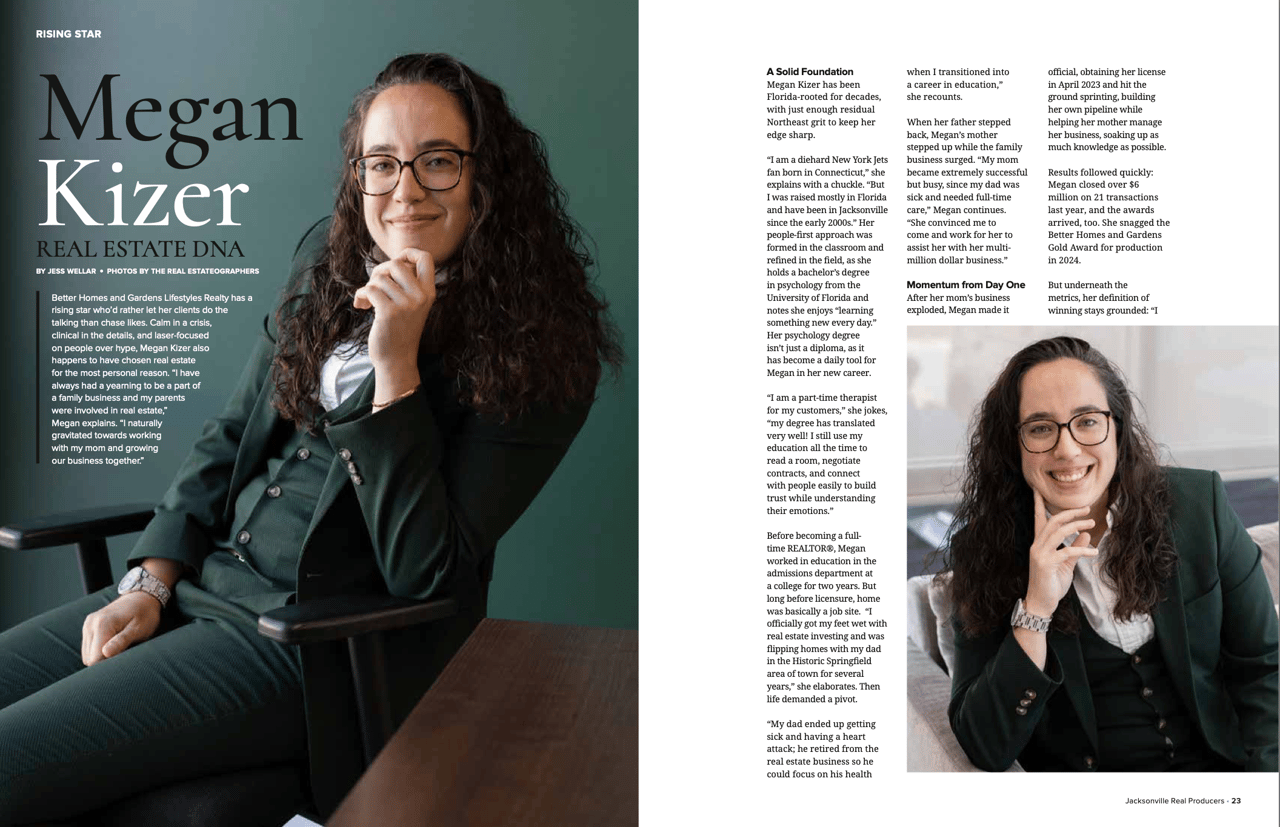
If you have a transfer date and need a reliable on‑the‑ground partner in Duval County, we are ready to help you plan, verify, and close with certainty. Schedule a free relocation consultation with Helen Kizer to map your next steps and timeline.
FAQs
Can I submit an offer on a Duval County home without visiting in person?
- Yes. Offers are commonly prepared and signed digitally, and Florida law recognizes e‑signatures under Chapter 668. Your final closing method and earnest money handling will follow lender and title company workflows.
Will my Duval County closing be fully remote?
- It may be hybrid or fully remote. Florida authorizes Remote Online Notarization, but the final setup depends on your lender and settlement agent. We coordinate the option that fits your file.
What are the biggest schedule risks when relocating to Duval County?
- Third‑party timelines like appraisal slots, lender underwriting, inspector availability, and wire transfers can affect your close date. Also, if you plan to claim a homestead exemption, remember the March 1 filing deadline.
How do virtual inspections work for out‑of‑area buyers?
- A licensed inspector documents findings with photos and video, then reviews results with you live by video. It is effective for due diligence, but some issues still require a specialist or in‑person follow‑up.
Does Duval County accept electronic recording of deeds?
- Yes. The Clerk accepts eRecorded documents through approved vendors, which reduces courier delays. Your title company will confirm process and any document exceptions.