Thinking about a move to St. Johns County? You are not alone. Many people are drawn to the coastal lifestyle, strong public school options, and access to historic St. Augustine and the Jacksonville job market. In this guide, you will learn how day-to-day life feels, from neighborhoods and commutes to outdoor fun, costs, and storm readiness. Let’s dive in.
St. Johns County at a glance
St. Johns County sits on Florida’s northeast Atlantic coast, just south of Jacksonville. You get beaches, a historic downtown in St. Augustine, master-planned suburbs, and quieter rural pockets. The mix attracts families, retirees, and commuting professionals.
The daily tradeoff is clear. You enjoy coastal amenities, organized communities, and outdoor living, but housing tends to cost more, traffic can spike in tourist season, and public transit is limited. You will want to plan for hurricane risk, flood zones, and property insurance details.
Neighborhoods and lifestyles
Coastal communities
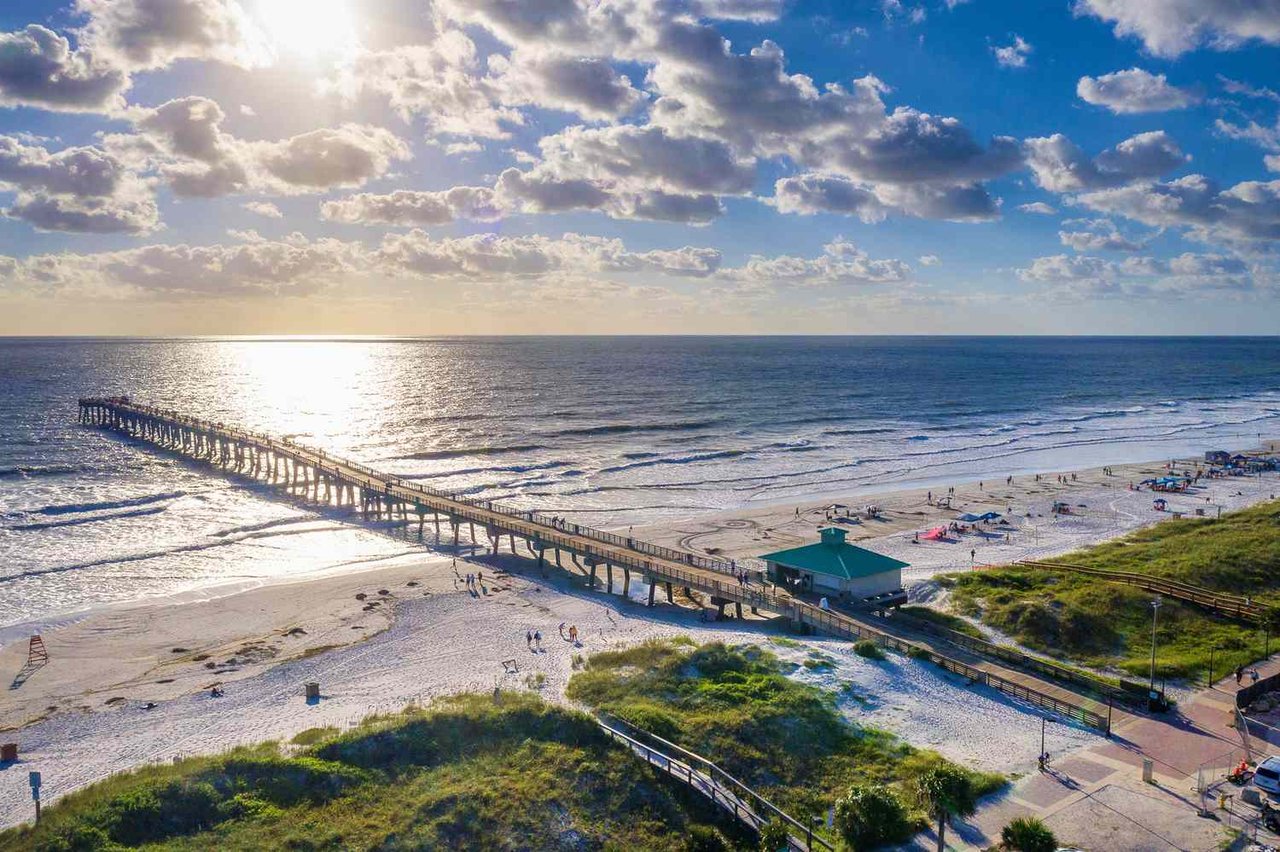
If you love the beach, Ponte Vedra Beach, St. Augustine Beach, Vilano Beach, and nearby coastal stretches offer ocean access and a laid-back routine. Expect higher price-per-square-foot and some seasonal congestion. You will find surf culture, walkable beach access, and dining that leans toward casual seafood, resorts, and golf.
Historic St. Augustine
Living near the historic core gives you cobblestone streets, museums, and year-round festivals. Homes range from restored historic properties to newer infill. It is walkable and charming, with tourism activity that can increase traffic and parking competition during peak times and special events.
Master-planned communities
Nocatee, Palencia, and the World Golf Village area provide amenity-rich living with parks, pools, trails, and town centers. Many residents choose these neighborhoods for organized community events, playgrounds, and newer construction. HOAs are common and typically shape standards for home exteriors, amenities, and community rules.
Rural and semi-rural pockets
Head west or toward the county edges for larger lots and a quieter pace. You trade shorter drives to beaches and shops for open space. Services can be more limited, so plan your weekly errands accordingly.
Housing options and costs
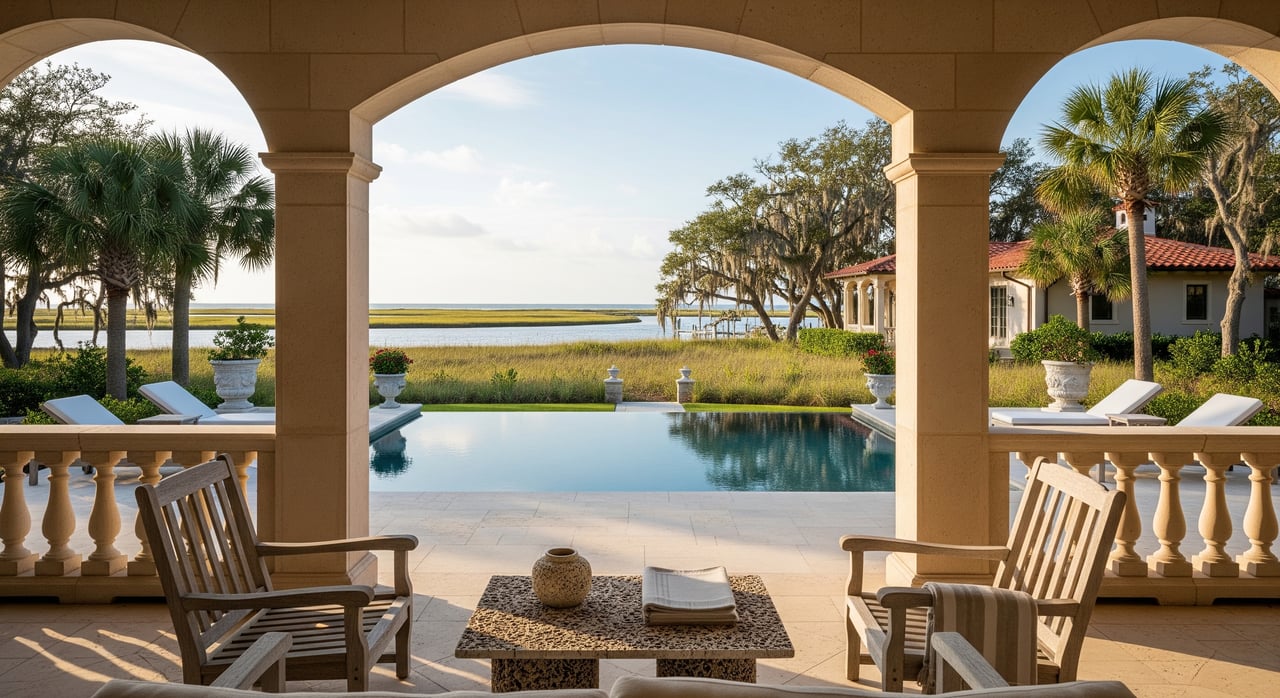
New construction single-family homes dominate many growth areas, especially inland and in master-planned neighborhoods. Along the coast, you will find condos, townhomes, and single-family homes, including waterfront and walk-to-beach options. Some age-restricted communities exist, but they are not the majority of the housing stock.
In practical terms, coastal and gated golf communities usually command higher prices. Amenities, HOA fees, and insurance needs can add to monthly costs, so budget with a full picture. If you want more space for the money, consider newer inland communities or rural areas.
Schools and education
The St. Johns County School District is widely recognized for strong performance, which is a key reason many families choose the area. Always verify the most current school zones and report cards before you buy because growth can lead to changes. The county is also home to Flagler College in St. Augustine, and you have access to additional higher education options in the broader Jacksonville area.
Private and independent school choices exist across the metro for families seeking alternatives. When comparing schools, focus on your needs and commute as much as ratings and programs.
Getting around and commute
Day-to-day life is car-centric. I-95 serves as the main north-south artery, and A1A runs along the coast, with regional roads linking master-planned communities to shopping and employment. Many residents commute to Jacksonville job centers, and commute times vary by location and time of day.
Tourist seasons and major events, like professional golf tournaments or holiday festivals, can slow traffic near beaches and downtown St. Augustine. Public transit options exist but cover limited areas. Newer neighborhoods typically offer strong broadband, while rural pockets may have fewer provider choices.
Work, business, and healthcare
Local employment is anchored by education, healthcare, tourism and hospitality, professional services, construction, and retail. The proximity to Jacksonville expands options across corporate, healthcare, logistics, and tech-related fields.
Healthcare services are available within the county for routine and many specialty needs. Additional tertiary care and specialists are accessible in nearby Jacksonville. Consider drive times to your preferred providers when choosing a neighborhood.
Outdoor life, beaches, and culture
If you enjoy being outside, you will have a full calendar. The county offers public beaches, fishing, boating, paddle sports, and miles of trails. Anastasia State Park and the Guana Tolomato Matanzas Reserve provide hiking, birding, and kayaking opportunities that balance fun with conservation.
Golf is part of the local identity, with well-known courses and events that attract visitors. St. Augustine’s historic district adds museums, galleries, seasonal festivals, and a vibrant dining scene. Weekends often revolve around beach days, youth sports, and downtown outings.
Weather, storms, and insurance
The climate is humid subtropical, which means hot summers and mild winters. Outdoor living is common, especially in spring and fall. With a coastal location, the county faces tropical storm and hurricane risk.
If you are buying near the coast or in low-lying areas, review flood zones, elevation, and wind mitigation features. Florida’s insurance environment has been volatile, and premiums can be higher near the water. Newer construction typically meets modern wind-resistance standards, but you should still plan for storm prep and evacuation routes.
HOAs, rentals, and development
Many master-planned neighborhoods have active HOAs. These typically come with rules for property appearance, amenity usage, parking, and community standards. Factor in both monthly fees and any initiation costs when comparing homes.
Short-term rental rules vary between the county and cities like St. Augustine and St. Augustine Beach. If you plan to rent your property for short stays, confirm licensing and local ordinances before you purchase. With steady growth across the county, keep an eye on planned roads, schools, and commercial projects near any home you are considering.
Daily costs and tradeoffs
Overall costs are influenced by neighborhood choice, property type, and insurance needs. Coastal areas and amenity-rich communities generally cost more, while inland options can stretch your budget further. Florida has no state income tax, which many newcomers factor into their cost of living.
Expect a relaxed, outdoor-forward routine with plenty of parks and community events. Nightlife is modest in most suburbs but livelier in downtown St. Augustine and the Ponte Vedra corridor. Tourist seasons bring energy and crowds, which you might love or want to live just far enough away from.
Is St. Johns County a fit for you?
- You might love it if you value beach access, outdoor recreation, and organized communities with strong school options.
- You might prefer elsewhere if you want urban transit, very low housing costs, or zero exposure to seasonal tourism and storm planning.
Ready to explore neighborhoods that fit your life, timeline, and budget? Schedule a conversation with Helen Kizer for a local, relocation-friendly plan and property search support.
FAQs
Is St. Johns County family-friendly?
- Yes. You will find many family-oriented master-planned communities, parks, youth sports, and a public school district known for strong performance.
How do housing costs compare to Jacksonville?
- In general, St. Johns County is higher than many inland parts of Jacksonville, especially in coastal and gated communities, while inland or rural areas often offer more value.
What is traffic like in St. Johns County?
- Commute conditions vary by neighborhood and time of day, with added congestion during tourist seasons and major events near beaches and downtown St. Augustine.
What should I know about hurricanes and insurance?
- Coastal and low-lying areas face higher storm and flood risk, which can affect insurance costs; review flood zones, elevation, and wind mitigation before you buy.
Are healthcare services easy to access?
- Yes for routine and many specialty needs within the county, and you have expanded hospital and specialist options in nearby Jacksonville.
How does living in a master-planned community differ from historic St. Augustine?
- Master-planned areas offer newer homes, amenities, and HOAs, while the historic district offers walkability and character with tourism impacts and older-home maintenance.